

What is Spark Knock? The Pinging Noise Your Engine Hates (And How to Fix It)
|

|
Have you ever heard a metallic "pinging" or "tinking" sound coming from your engine, especially when accelerating uphill or under heavy load? That unwelcome noise is likely spark knock, also known as detonation. While often confused with other engine noises, spark knock is a specific type of abnormal combustion that, if left unaddressed, can lead to serious engine damage.
Understanding spark knock is crucial for any vehicle owner, particularly those seeking optimal performance and longevity from their engine. In this guide, we'll dive deep into what spark knock truly is, why it happens, how to identify it, and most importantly, how to prevent it
To understand spark knock, let's first consider normal engine operation. In a gasoline engine, the spark plug fires, igniting the fuel-air mixture. A controlled flame front then spreads smoothly across the combustion chamber, pushing the piston down with a powerful, controlled force.
However, with spark knock, something goes wrong:
Normal Ignition: The spark plug fires, and a flame front begins to propagate.
Uncontrolled Explosion: Before the main flame front can reach it, a separate, unburned pocket of fuel-air mixture spontaneously ignites due to excessive heat and pressure. This is a rapid, uncontrolled explosion, not a controlled burn.
Pressure Wave Collision: The pressure waves from this uncontrolled explosion collide with the pressure waves from the normal flame front. This collision creates the characteristic "pinging" or "knocking" sound you hear.
Imagine two sound waves crashing into each other - that's essentially what's happening inside your cylinder, but with extreme force.
While often used interchangeably, it's important to clarify. Engine knock is a broad term that can refer to many different unwanted noises, including:
Rod Knock: A deep, rhythmic thumping caused by worn connecting rod bearings – a serious mechanical issue.
Lifter Tick: A light, rhythmic tapping from valve train components.
Spark Knock (Detonation): The specific combustion issue we're discussing, characterized by a metallic pinging sound.
So, while spark knock is a type of engine knock, not all engine knock is spark knock. If your primary symptom is a metallic pinging under acceleration, you're almost certainly dealing with spark knock/detonation.
Spark knock occurs when the environment inside your combustion chamber becomes unstable, causing the fuel to ignite prematurely. While mechanical issues like a lean air-fuel mixture, overheating, or carbon buildup can create "hot spots" that trigger this instability, the most frequent culprit is a mismatch between your engine's requirements and your fuel's stability. Essentially, if the heat and pressure of compression exceed the fuel's ability to resist ignition, the mixture will explode (detonate) rather than burn smoothly.
The most common triggers for spark knock include:
Insufficient Octane Rating: Using 87 or 89 octane in an engine tuned for premium is the #1 cause of pinging. The fuel simply cannot handle the cylinder pressure.
Advanced Ignition Timing: High-performance tunes often fire the spark plug earlier to gain power, but this significantly increases the risk of detonation if the fuel isn't stable enough.
High Operating Temperatures: Heat is the enemy of stable combustion. Whether caused by a hot summer day, towing a heavy load, or a heat-soaked intercooler, high temperatures invite knock.
Carbon Deposits: Over time, carbon builds up on pistons and valves. These deposits glow red-hot and act like mini-glow plugs, igniting the fuel before it’s supposed to.
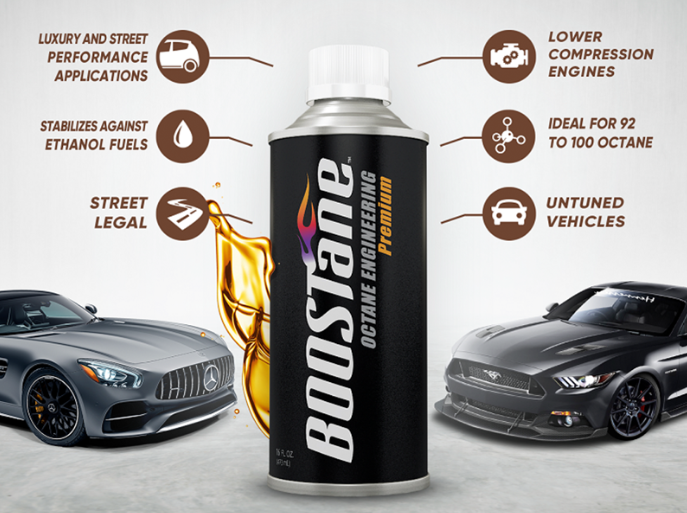
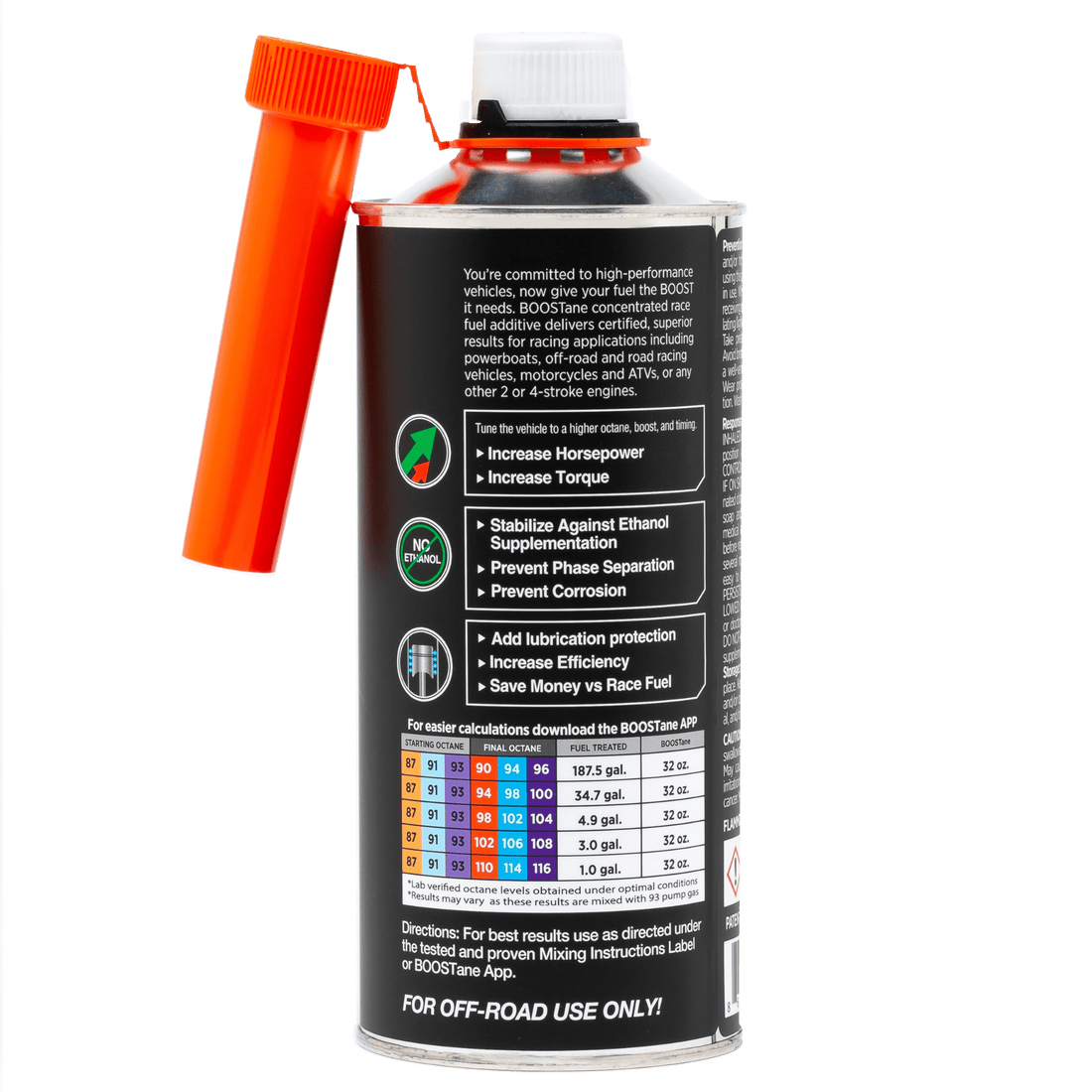
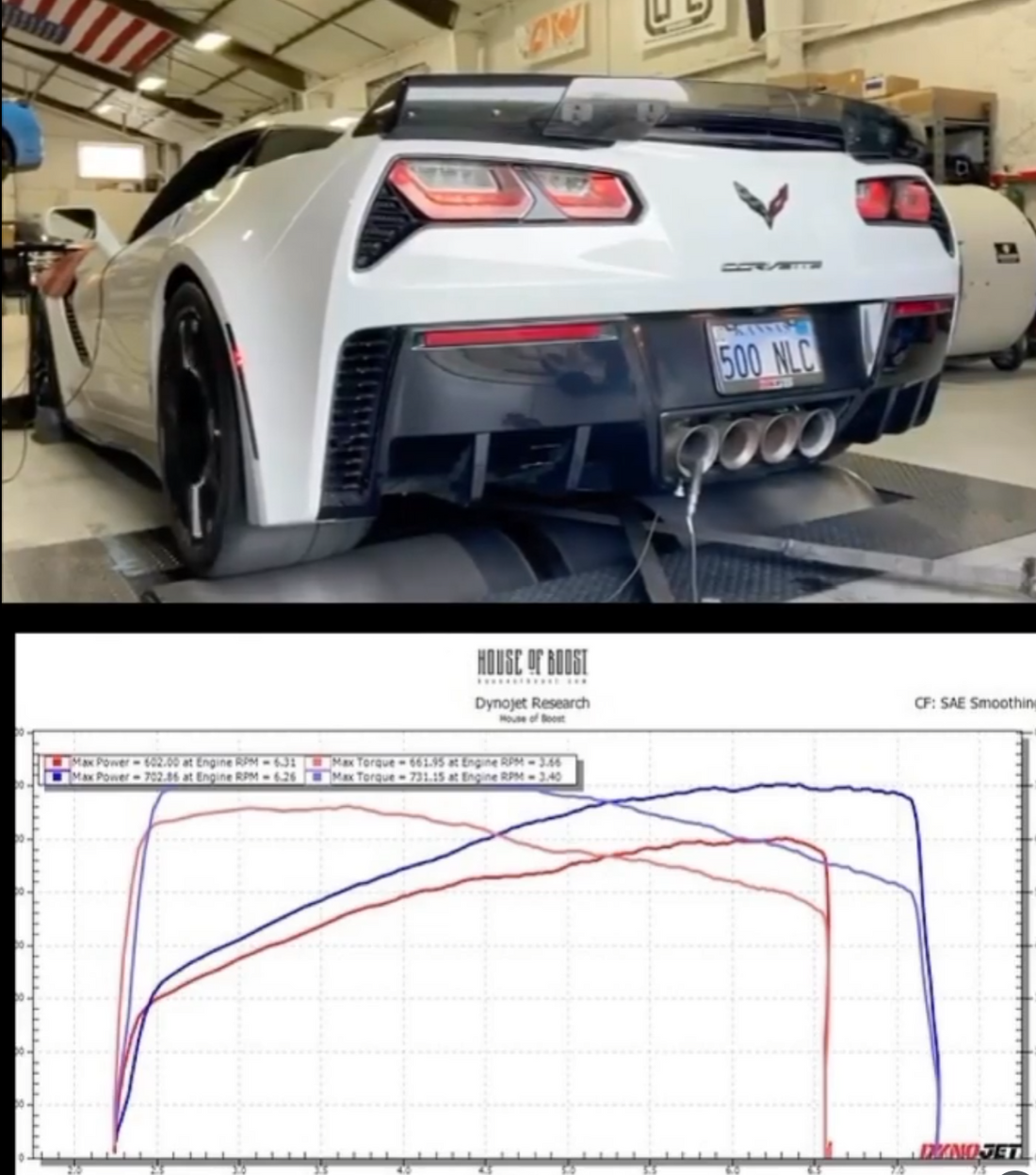
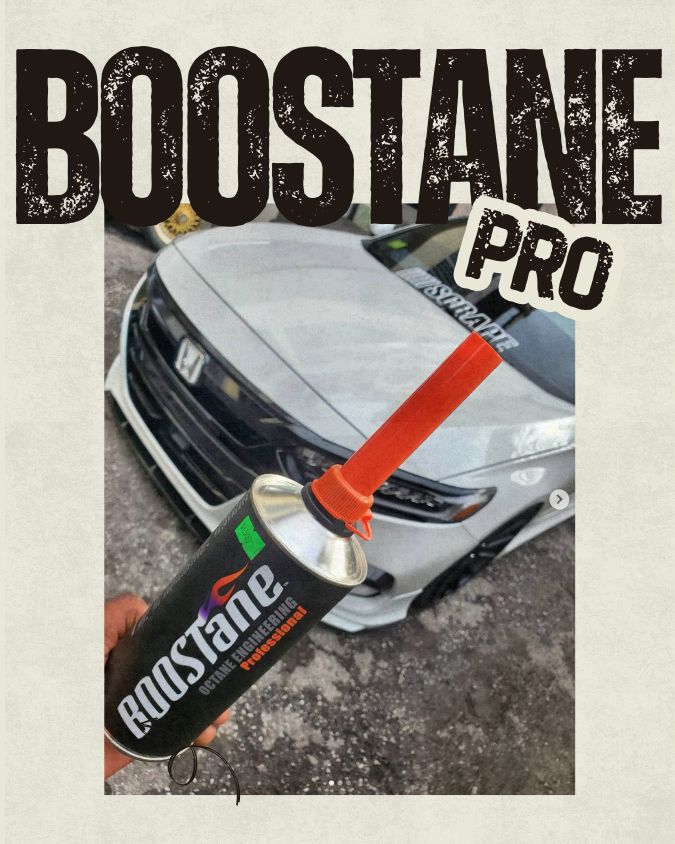
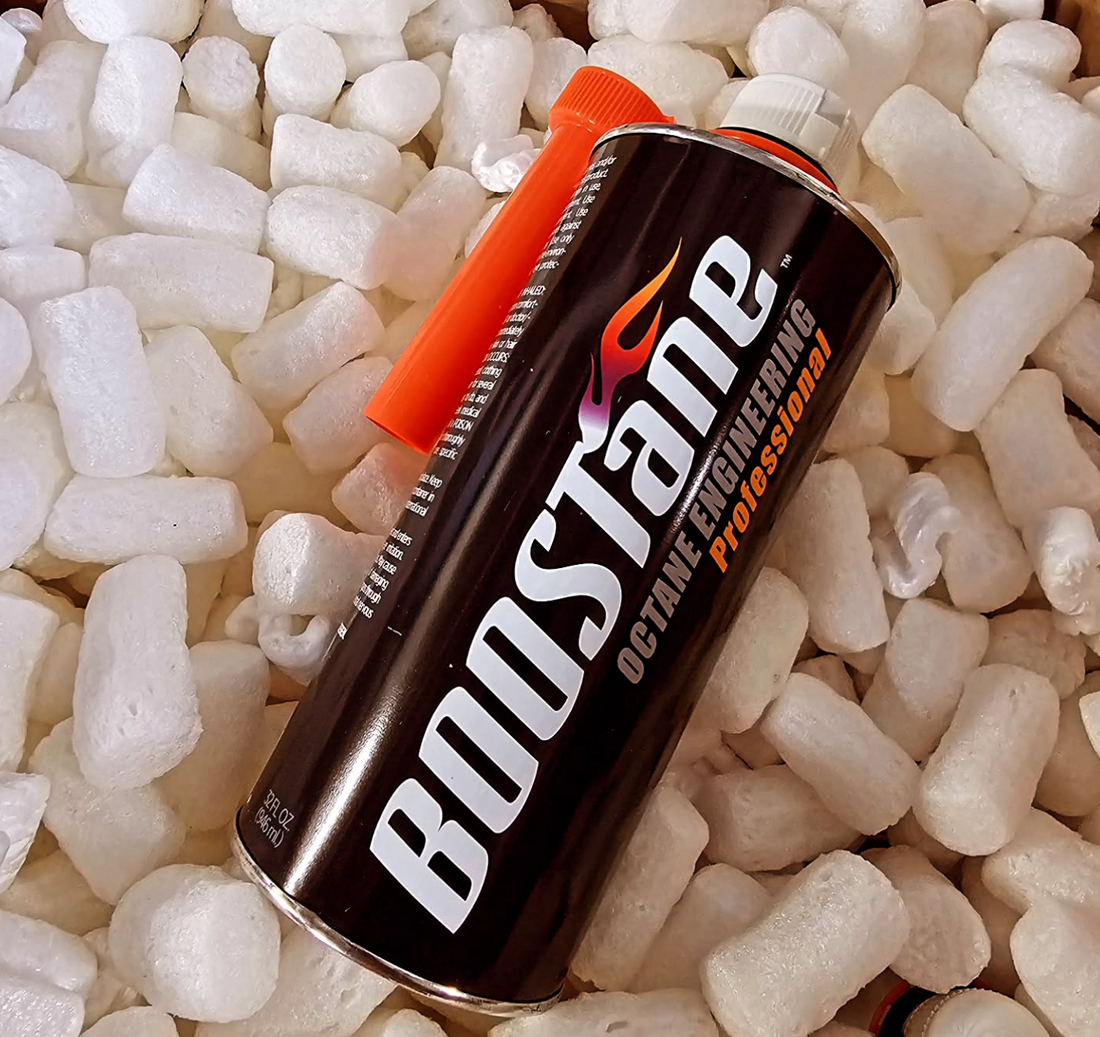
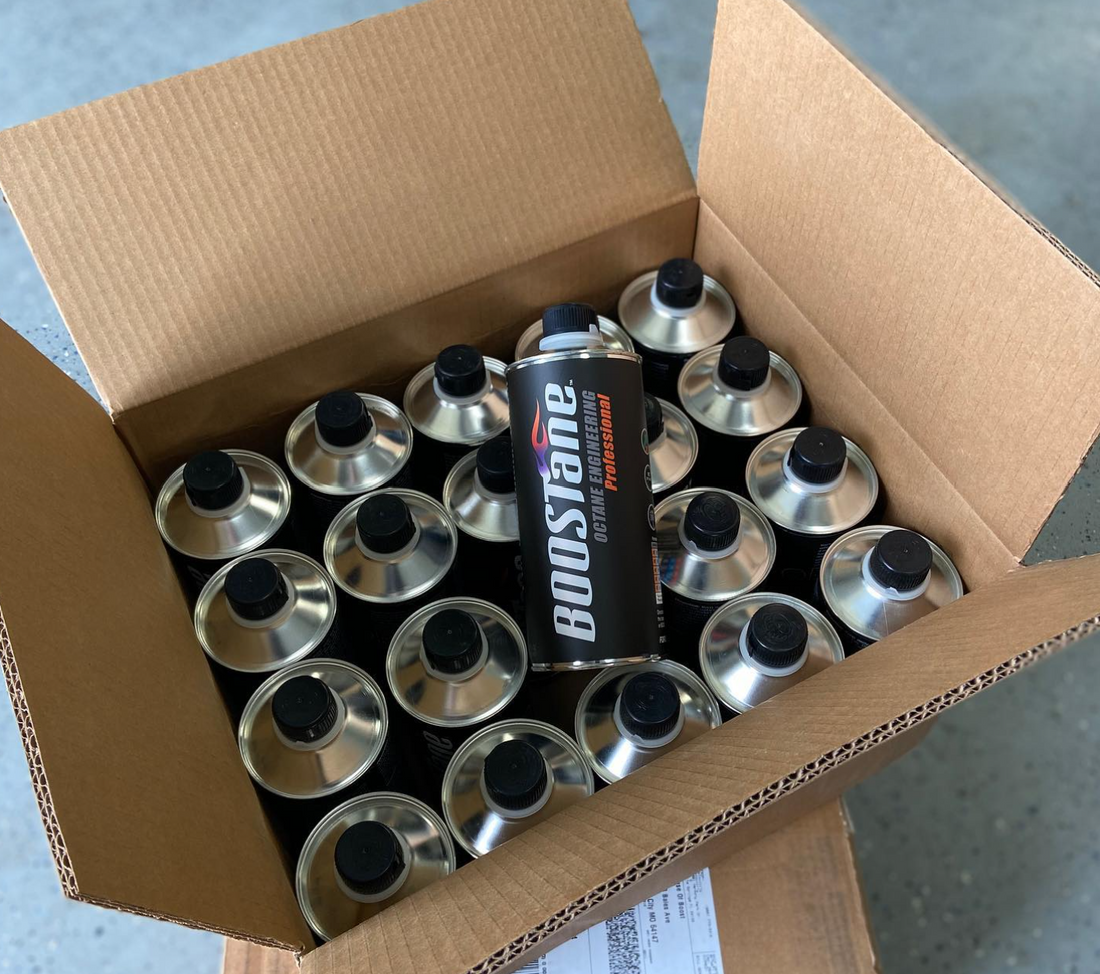
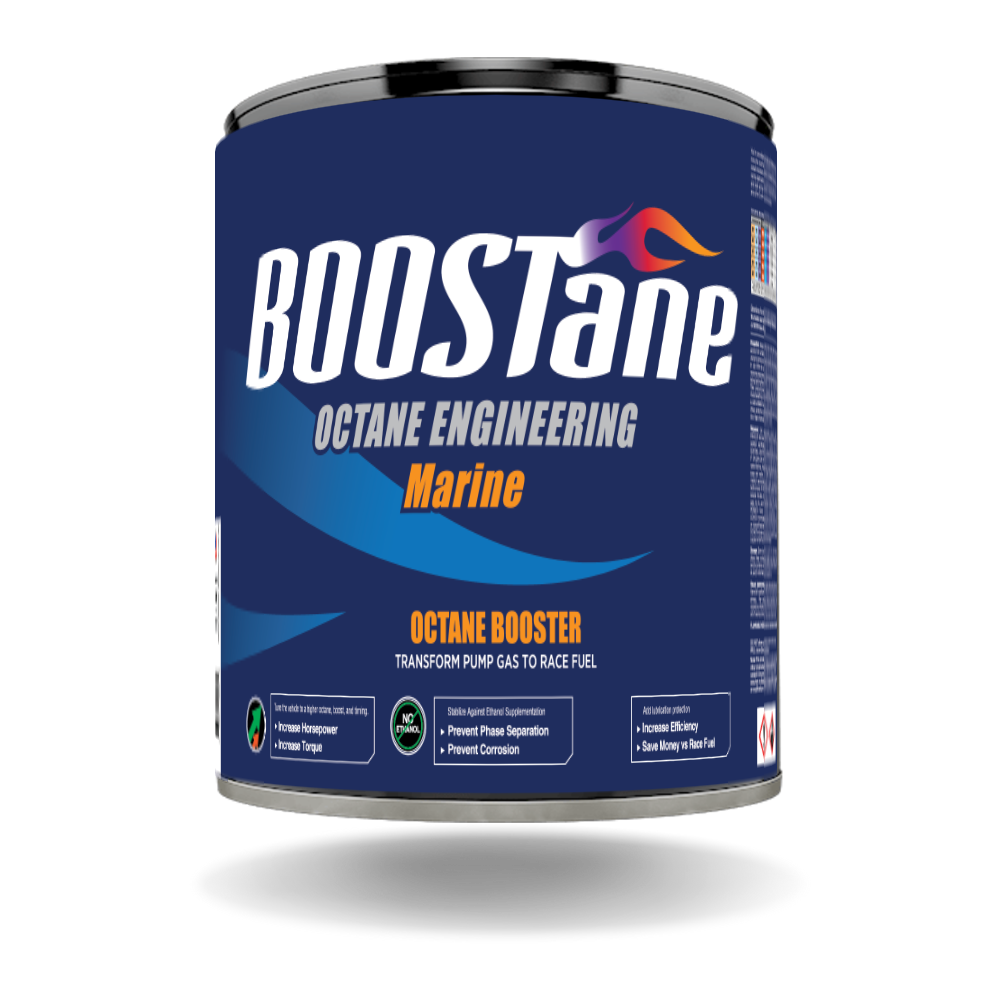
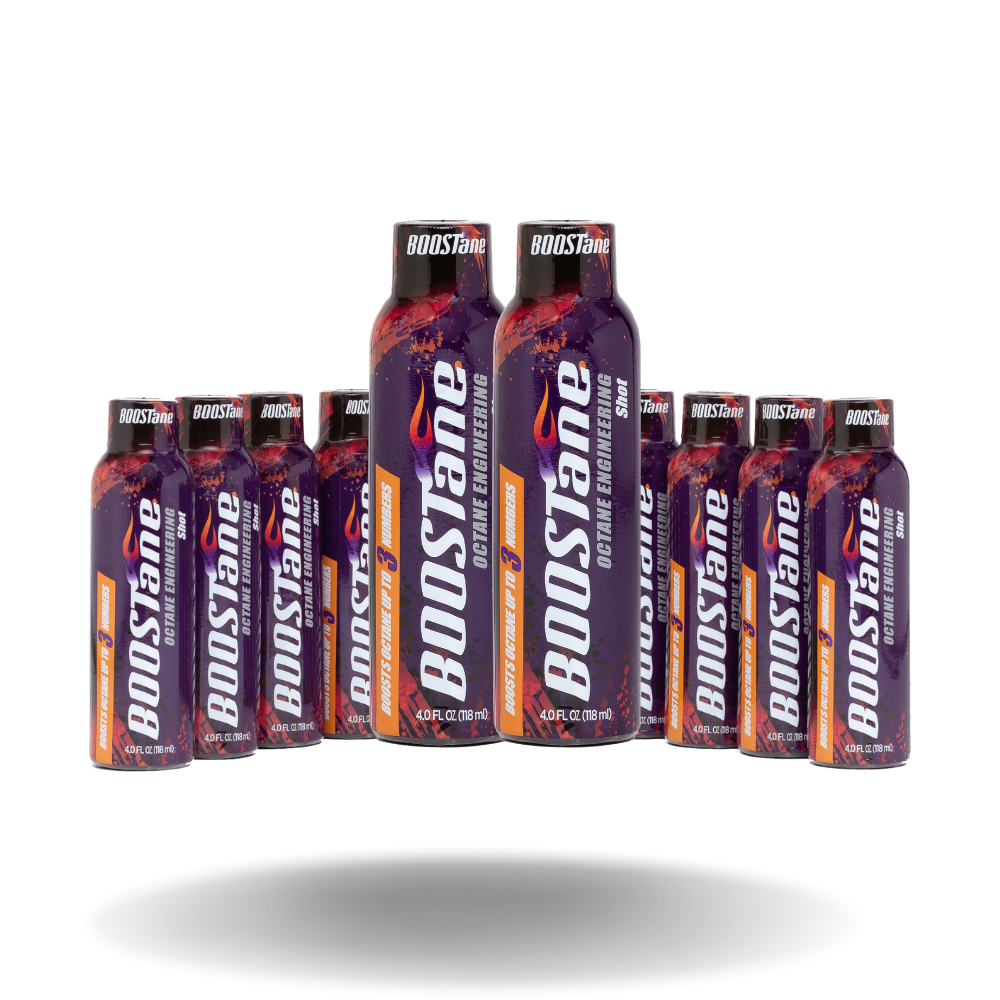
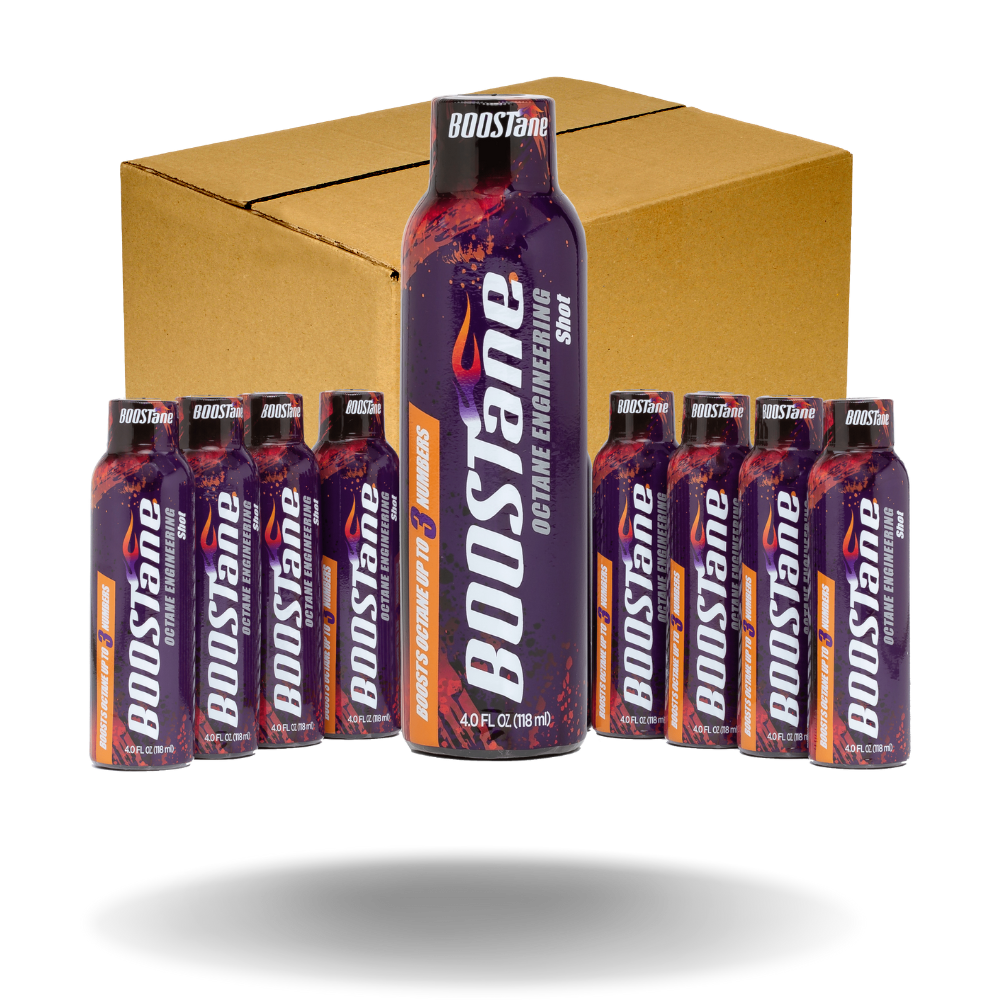
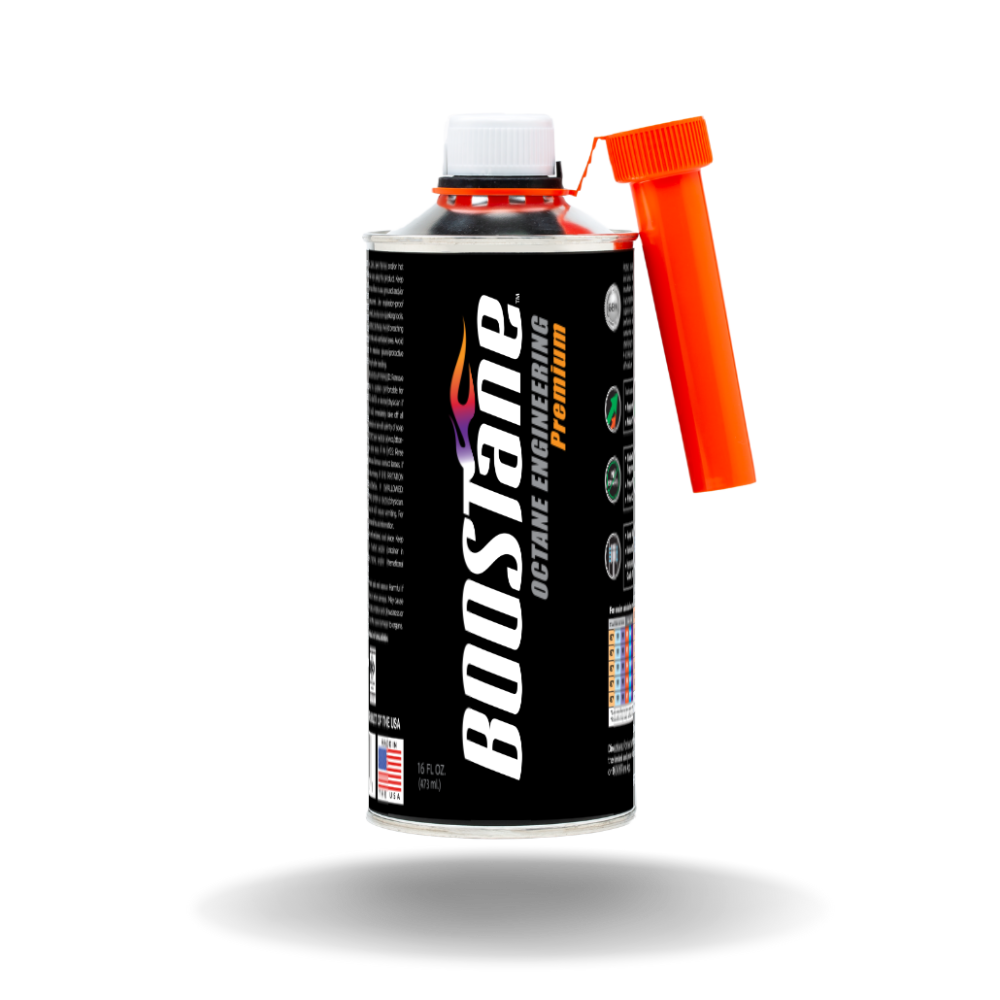
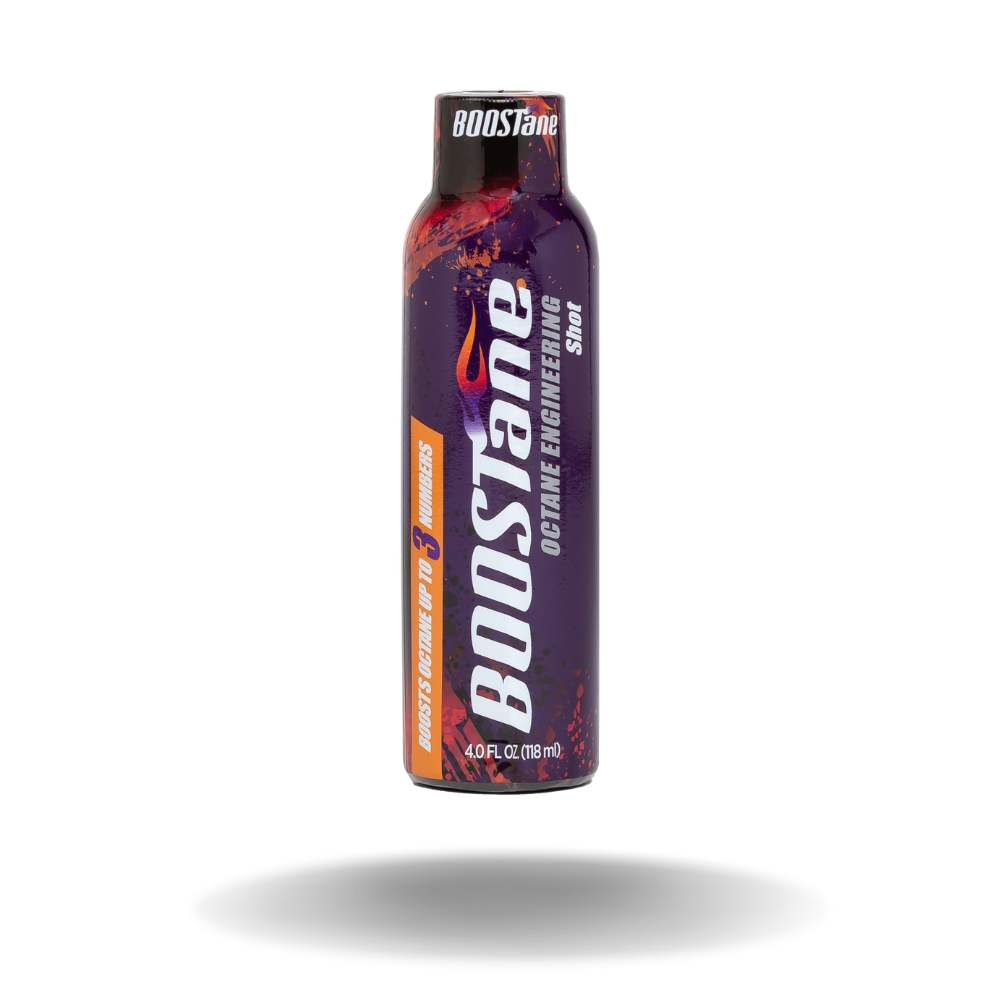
The BOOSTane Solution: Regardless of the cause, the most effective way to stop spark knock in its tracks is by increasing the fuel’s "activation energy" threshold. BOOSTane Professional is chemically formulated to raise your effective octane levels higher than pump gas can reach, providing a massive safety buffer. By stabilizing the "end-gas" in the cylinder, BOOSTane prevents the secondary explosions that cause knock, allowing you to run higher boost and more aggressive timing with total confidence.
Occasional, very light pinging might be corrected by your engine's computer (ECU) retarding the timing. However, persistent or severe spark knock is incredibly damaging. The violent pressure waves and intense heat can:
Melt pistons
Damage cylinder walls
Break piston rings
Harm spark plugs and valves
Lead to premature engine failure
It essentially hammers the internal components of your engine with uncontrolled mini-explosions. This is why addressing spark knock quickly is vital for protecting your investment.
The most obvious symptom is the distinct sound, but there are other indicators:
Metallic Pinging/Ticking/Rattling: Often described as marbles rattling in a can, this noise is most noticeable under load (accelerating, going uphill, towing) and may subside when you ease off the throttle.
Reduced Engine Performance: Your engine's computer (ECU) has knock sensors. When detonation is detected, the ECU will automatically retard ignition timing to protect the engine. While this prevents damage, it also reduces horsepower and fuel economy.
Check Engine Light (CEL): Persistent or severe knock can trigger your check engine light, often with a diagnostic trouble code (DTC) related to knock sensor activity or misfires.
Stopping spark knock involves addressing its root causes. Here's what you can do:
Use the Correct Octane Fuel: Always follow your vehicle manufacturer's recommendation. If your vehicle specifies premium, use premium.
Upgrade Your Octane with BOOSTane: If your engine still pings on premium fuel, you have an aggressive tune, or you want to extract maximum safe power, an octane booster is your most effective solution. BOOSTane specifically stabilizes the fuel, increasing its resistance to detonation and allowing for more aggressive timing or higher boost levels without knock.
Address Carbon Buildup: Regular fuel system cleaners and proper maintenance can help prevent carbon deposits.
Check for Lean Conditions: If you suspect a lean mixture, consult a mechanic to check your fuel system components (injectors, fuel pump, O2 sensors).
Maintain Your Cooling System: Ensure your radiator, fan, and coolant are all in good working order to prevent engine overheating.
Review Engine Tuning: For modified vehicles, ensure your ECU tune is appropriate for your fuel and modifications. An expert tuner can optimize timing without introducing knock.
Spark knock is more than just an annoying sound; it's a warning sign that your engine is under stress and at risk of damage. By understanding its causes and implementing the right solutions, from using proper fuel to incorporating a high-quality octane booster like BOOSTane, you can ensure your engine runs smoothly, powerfully, and reliably for years to come.