
Does Premium Fuel Actually Improve Throttle Response? The Science Behind the "Feel"
|

|
Many drivers swear their vehicle feels more responsive after filling up with 91 or 93 octane. While some of this is psychological, there is significant mechanical truth behind it. For modern, high-compression, or turbocharged engines, premium fuel does not necessarily add power. Instead, it stops the engine from stealing it.
To understand throttle response, you have to understand Ignition Timing.
The goal of your engine is to fire the spark plug at the exact millisecond required for maximum downward force on the piston.
Lower octane fuel is less stable under pressure. If it ignites too early, it creates a phenomenon known as "knock" where the explosion pushes against the piston while it is still moving upward.
Modern Engine Control Units (ECUs) use knock sensors to detect these tiny explosions. To protect the engine, the ECU immediately "retards" the timing by delaying the spark.
When your timing is retarded, your engine feels sluggish and lazy when you step on the gas. Premium fuel allows the ECU to maintain advanced timing. This results in that crisp, immediate throttle response you expect.
Not every car will feel a difference. Here's the breakdown:
If you drive a vehicle with a turbocharger, a supercharger, or a high-compression ratio, premium fuel is essential. These engines create massive cylinder pressure, which makes them highly sensitive to octane levels. In these cars, moving from 87 to 93 octane can noticeably reduce hesitation during acceleration.
If your owner’s manual strictly says "87 Octane Required" and your engine is naturally aspirated with low compression, premium fuel will likely offer no tangible benefit. The ECU is not programmed to advance timing far enough to utilize the extra stability of high-octane fuel.
Many modern vehicles state that premium fuel is recommended for maximum performance. In these vehicles, the ECU is designed to be bilingual.
On 87 octane, the computer runs a safe and conservative map.
On 93 octane, it automatically learns the higher knock resistance and advances timing.
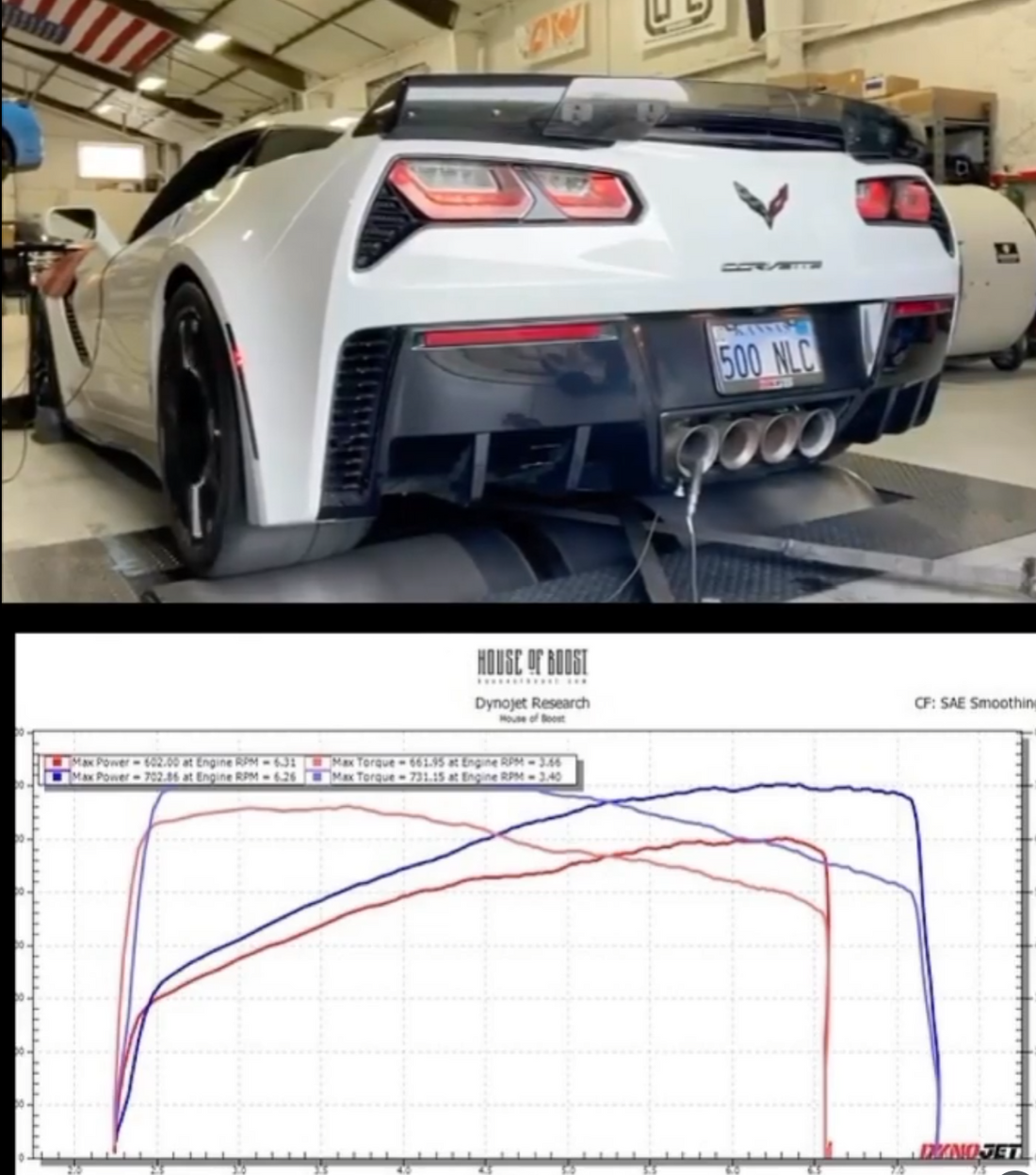
Testers have confirmed this can shave fractions of a second off 0 to 60 times and improve low-end torque.
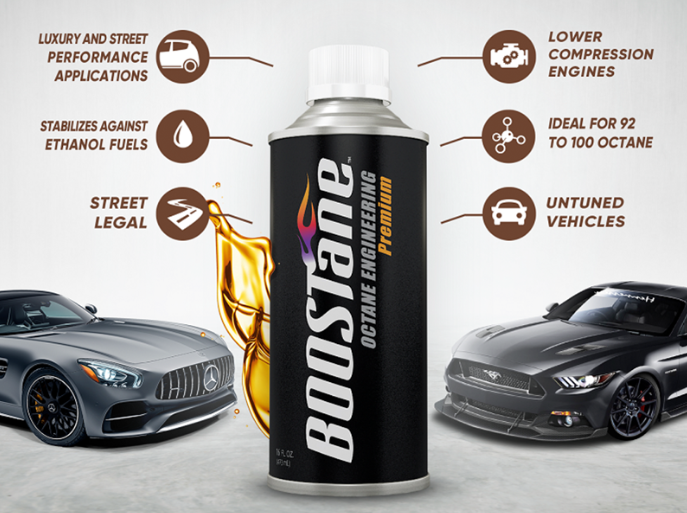
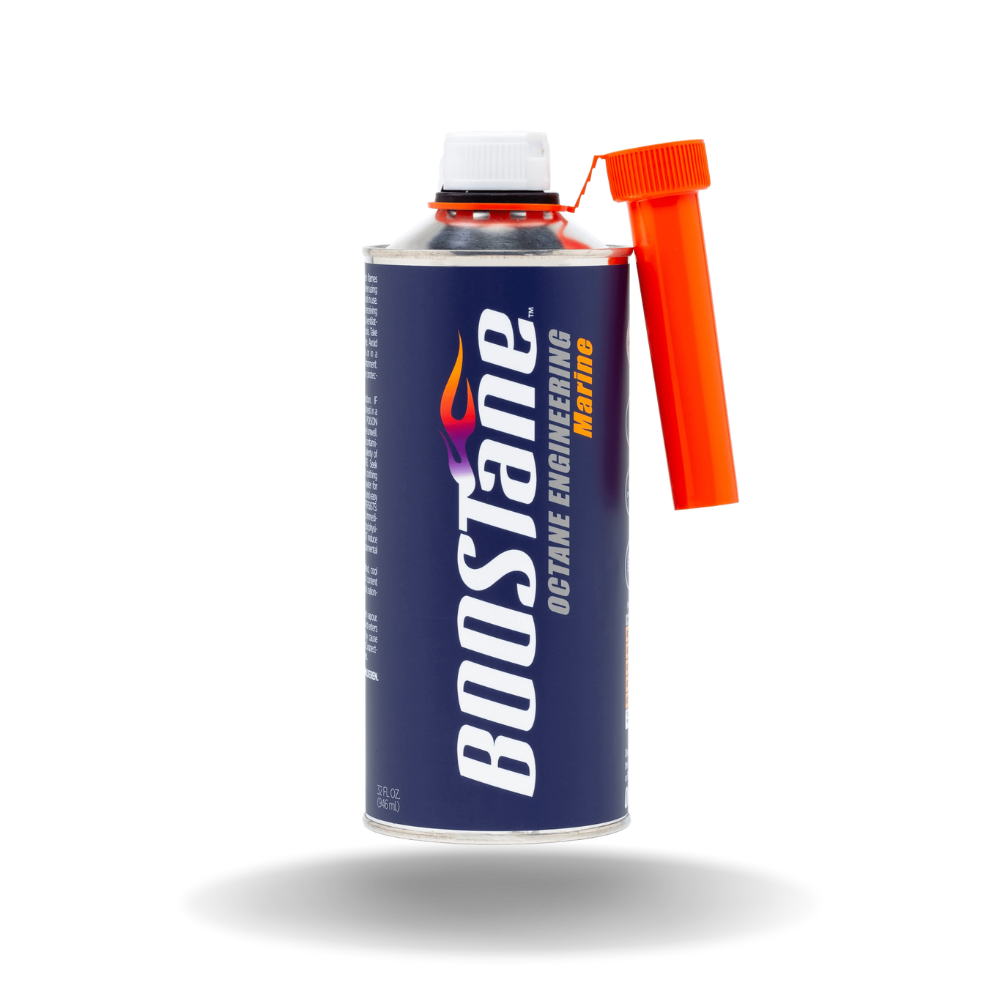
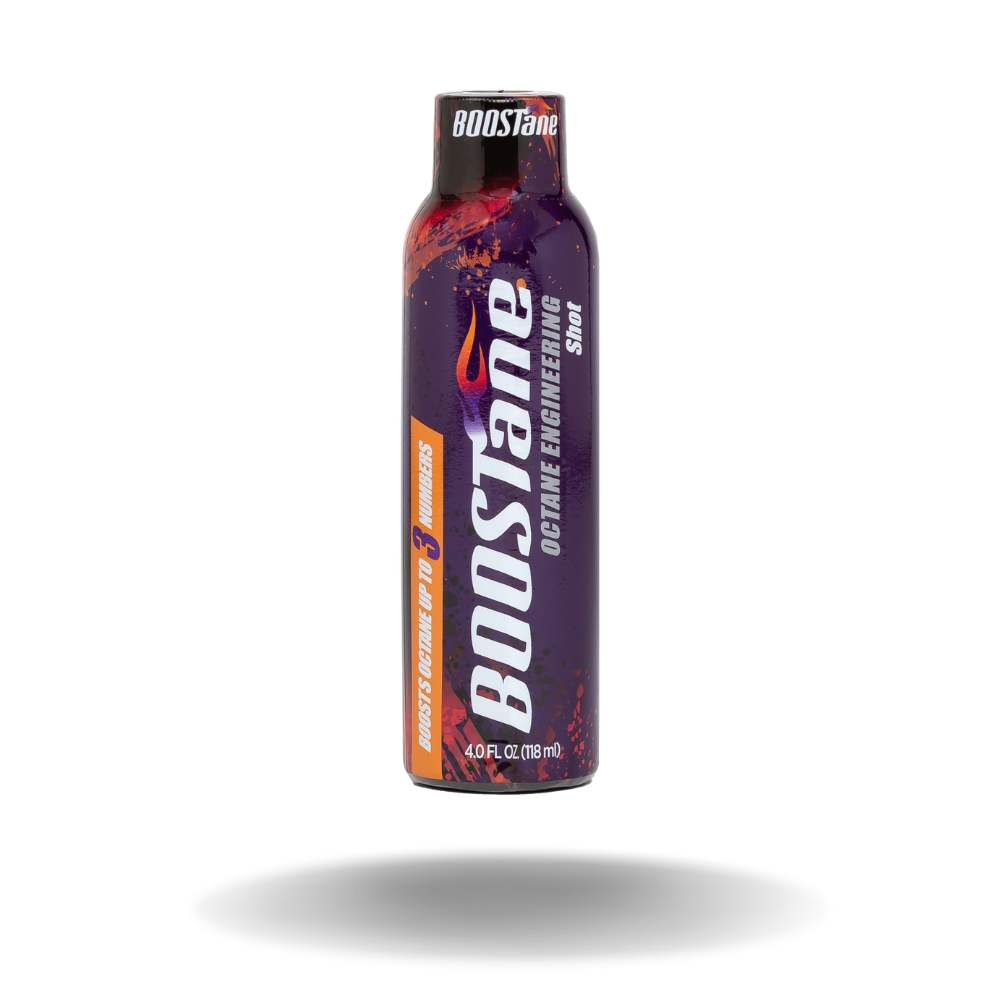
If you want that crisp throttle feel but do not want to hunt for a specialty 93 or 100 octane pump, you can manage your fuel chemistry yourself.
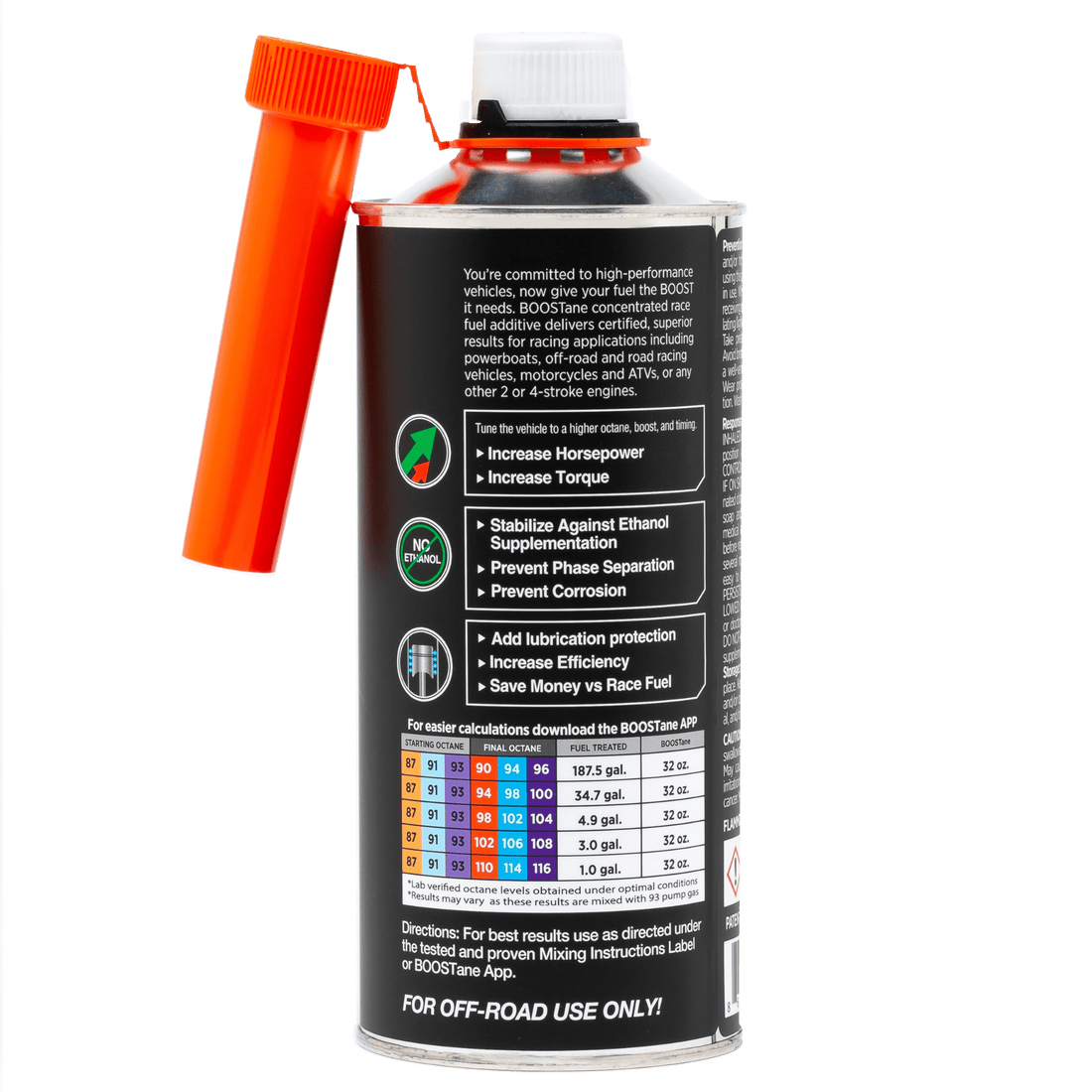
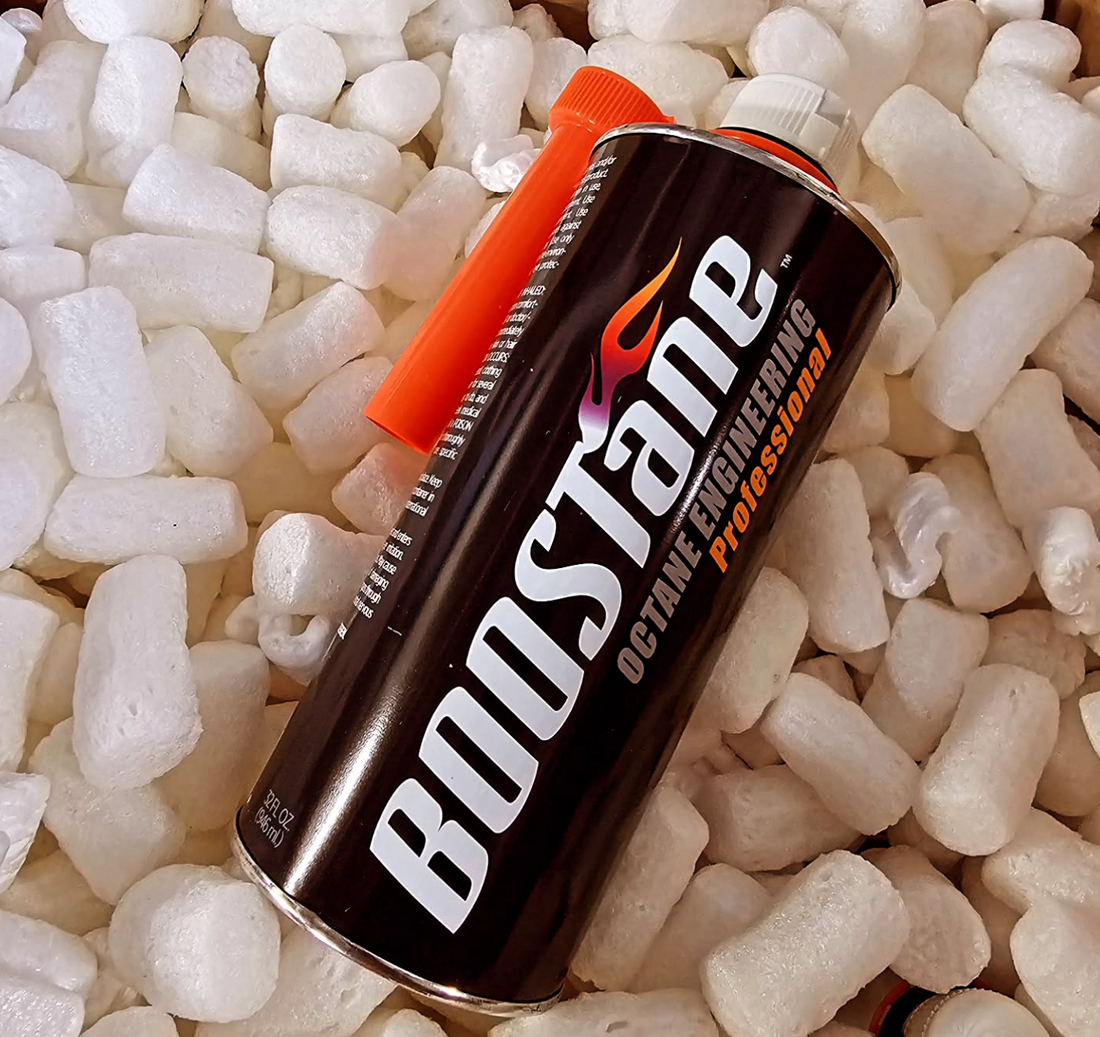
Using a high-quality octane booster allows you to transform standard pump gas into a high-performance blend. This provides the safety net your ECU needs to keep ignition timing advanced. It ensures that when you hit the pedal, the response is instant rather than delayed by a protective ECU.
Does premium fuel improve throttle response? If your engine is knock-limited or designed for high-performance, the answer is absolutely. It allows your engine to operate at its most efficient and aggressive settings without the intervention of knock sensors.